Featured
Table of Contents
Know your audience and tailor your messaging. Focus ad spend where your audience is active. Have you ever watched your paid advertisements burn through spending plan without delivering genuine outcomes?
After all, clicks do not always suggest conversions. Great targeting does not always indicate a great return on your investment. And in some cases, in spite of your best shots, your spending plan vanishes into the digital space. That's why we're bringing it back to the essentials of a high-performing paid technique: knowing your audience, lining up spending plan with intent, optimizing relentlessly, and (maybe most importantly) securing your spend from advertisement fraud.
While organic channels play their part in making reach gradually, paying to promote your brand name uses instant results. You see paid media in the forms of:: Appear at the top of search engine results (believe Google Advertisements).: Banner-style visuals across sites in ad networks.: Sponsored posts or stories on social media.
Optimizing Bidding Methods for Local Ppc That Drives Real ActionReviewing Your SEM Accounts for Growth Opportunities
: Pre-roll, in-feed, or discovery ads on YouTube and other video platforms. A normal paid search method will likely use a mix of various ads throughout platforms. However, services might prioritize certain types of media over others depending upon the services or products they use and their target audience. For circumstances, paid media techniques for ecommerce brands use Google Shopping Ads for item discovery and high-visual channels like Instagram and Facebook.
LinkedIn Ads and Account-Based Marketing are good locations to nurture premium leads over time. The best paid media methods are not set it and forget it.

: Define client sections based upon demographics, discomfort points, and buying behaviors.: Use past campaign data and analytics to customize offers and positioning.: Translate insights into value proposals. A paid marketing strategy without clear goals is simply invest without technique. Every campaign must be grounded in a SMART objective: particular, quantifiable, attainable, relevant, and time-bound.
: Click-through rates, time on website, engagement.: Leads, sales, CERTIFIED PUBLIC ACCOUNTANT, ROAS. Not every platform fits every item or audience. Strategic channel selection guarantees your advertisement dollars are focused where your audience is most active and engaged.: LinkedIn, Google Browse, programmatic ABM tools.: Google Shopping, Instagram, TikTok, Meta.
Crafting a Winning Multi-Channel Media Strategy
Targeting particular audiences is essential to paid media success. It's not just about making sure your ads reach more individuals, however rather the best people who are more most likely to make a purchase.
Optimizing Bidding Methods for Local Ppc That Drives Real ActionPoor budget plan preparation can stop your project in its tracks. A successful marketing campaign is always evolving.
: Usage multi-touch models to better comprehend conversions throughout channels.: Pull insights from Google Analytics, Meta, and CRM tools to see the full customer journey. An advertisement scams option ought to be a vital part of your paid media strategy. Invalid traffic drains pipes countless dollars, frequently without marketers even understanding.
Fraudulent traffic inflates your performance metrics, misshapes A/B test results, and weakens your optimization efforts. It sabotages your paid marketing technique from the inside out. These caution signs frequently indicate deceitful activity: Sharp boosts in bounce rates or suspiciously low time on website. High click-through rates (CTR) with no corresponding conversions.
Without fraud security, even the most sophisticated paid media technique is susceptible. Experience the power of Anura and find just just how much fraud you have with a totally free trial!.
Reviewing Your Paid Strategy for Growth Opportunities
Paid media methods provide a powerful method to reach target market, build brand name awareness, and drive conversions. This guide details strategies to maximize ROI through paid marketing, offering actionable insights for both new and seasoned marketers. By leveraging the distinct qualities of each platform and optimizing projects, businesses can guarantee their marketing efforts provide measurable outcomes.
Unlike organic marketing, paid media allows marketers to target particular audiences with precision, ensuring the right message reaches possible consumers. By buying paid marketing, services can amplify their reach, drive traffic to landing pages, and attain higher conversion rates. The key to optimizing ROI with paid media lies in understanding the digital landscape and customizing strategies to each platform's strengths.
This guide lays out methods to optimize ad performance and accomplish a much better Return on Investment. Paid media projects are a foundation of efficient digital marketing.
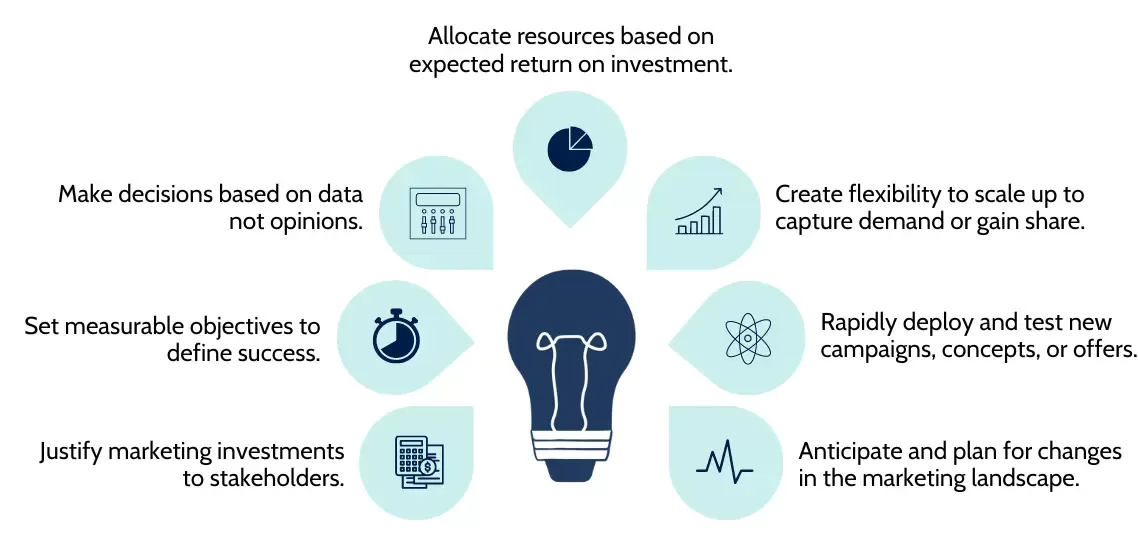
Without a tactical technique, paid media efforts can fall brief. Online marketers should leverage data-driven insights, enhance advertisement targeting, and line up projects with service objectives to make sure success. This guide to paid media provides a roadmap for crafting marketing techniques that make the most of ROI. To accomplish marketing ROI, online marketers ought to follow a structured approach.
Every successful project starts with clear goals. Determine what you aim to achieve, whether it's increasing brand awareness, driving site traffic, or enhancing conversions. For B2B services, LinkedIn may be the ideal platform to target specialists, while TikTok might be better suited for reaching more youthful audiences with appealing video content.
Polishing Your Marketing Funnel for Efficiency
Comprehending your target market is critical to efficient marketing. Usage analytics tools like Google Advertisements or social networks insights to analyze demographics, interests, and behaviors. Precise ad targeting guarantees your message resonates with the right individuals, improving conversion rates. Each marketing platform serves an unique function. Google Ads excels at recording intent through paid search ads, while social networks platforms like Instagram and TikTok are ideal for building brand awareness through visual material.
Assess the distinct characteristics of each platform to identify where your project will perform best. TikTok's short-form video format is perfect for creative, high-energy advertisements, while Google Advertisements targets users actively looking for service or products. The success of paid media projects depends upon providing a compelling message. Develop ads that line up with your brand name's voice and resonate with your target audience.
On search engines like Google, concentrate on succinct, keyword-rich ad copy that drives clicks to a landing page. Test different ad formats, such as carousel advertisements on Instagram or sponsored posts on LinkedIn, to determine what drives the very best results. A/B testing permits marketers to compare advertisement efficiency and optimize based on efficiency data.
Start by evaluating projects with smaller sized spending plans to determine high-performing platforms and ad formats. Google Advertisements supplies bidding options, such as cost-per-click (CPC) or cost-per-impression (CPM), to optimize costs. For social media campaigns, allocate spending plans based on platform efficiency and audience engagement. Analytics are the backbone of data-driven paid media methods.

Latest Posts
Why Small Retail Support Creates Results
Measuring the ROI of Corporate Giving Efforts
Key Giving Trends Shaping Modern CSR